Home Maintenance Checklist for Adelaide Homeowners: Gutters, Solar, and Beyond
Posted on: 2026-05-19
By: Evelyn Tran
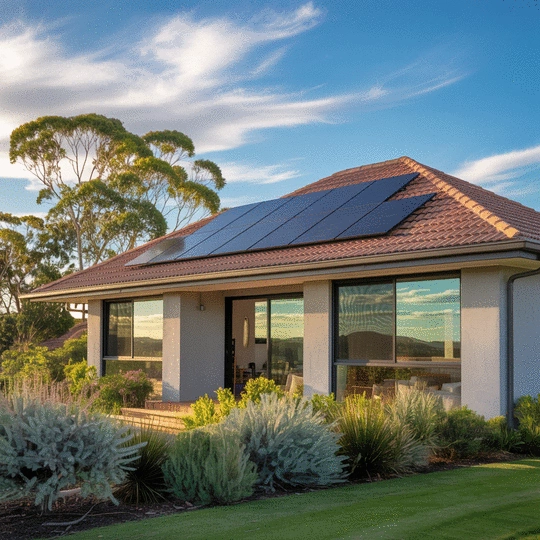
Solar panels are a long-term investment, so the roof beneath them needs to be ready for long-term performance too. Before any installation begins, Adelaide homeowners should look closely at the condition of their roof, gutters, downpipes, flashing, fascia, and surrounding drainage.
A solar system can last for decades, but if the roofline is already showing signs of wear, maintenance becomes harder once panels are installed. Damaged gutters, rusted sections, sagging roof edges, and poor water flow can all create issues around solar mounting areas. For anyone planning solar panel roof maintenance Adelaide-wide, the smartest approach is to fix roof and gutter problems before the solar team arrives.
Good solar planning is not just about panels, inverters, and energy savings. It starts with a roof that is safe, stable, and ready.
The Link Between Gutters and Solar Panel Performance
Gutters do not produce power, but they still affect the performance and protection of a solar-ready roof. Their job is to collect rainwater and move it away from the roofline, walls, fascia boards, foundations, and outdoor areas. When gutters fail, overflow can create moisture problems that may eventually affect the roof structure around a solar installation.
Blocked or damaged gutters can also cause water to back up toward the roof edge. Over time, this may contribute to staining, rot, corrosion, or leaks around eaves and fascia. If solar panels are installed nearby, access for later gutter repairs may become more difficult and more expensive.
Clean roof drainage also helps reduce debris build-up. Leaves, dust, seed pods, and organic matter can collect in gutters and around roof valleys, especially on homes near trees. If this debris sits too long, it can contribute to rust and overflow.
For homeowners considering Adelaide roofing and solar projects together, gutters should be treated as part of the same roof health checklist.
Signs Your Gutters Need Replacing Before Solar Installation
Before your solar installer sets foot on your roof, it is worth arranging a gutter replacement Adelaide inspection. Damaged or sagging gutters can complicate panel mounting and affect long-term water drainage around the array.
Start with visible rust. If your gutters show orange staining, pinholes, bubbling paint, or corrosion along joins, replacement may be more practical than patching. Rust usually means the material has weakened, especially if the damage appears in multiple sections.
Sagging is another warning sign. Gutters should sit firmly against the fascia with the correct fall toward downpipes. If sections dip, pull away, or hold standing water, they may not drain properly during heavy Adelaide rain.
Overflow marks are also important. Stains on fascia boards, external walls, paving, garden beds, or concrete paths may suggest water has been spilling over for some time.
Other signs include loose brackets, cracked joins, leaking corners, peeling fascia paint, mould near eaves, and water pooling around the home after rain. If these problems are present before solar installation, fix them first.
What’s Involved in Gutter Replacement in Adelaide?
Gutter replacement starts with an inspection of the existing roof drainage system. A contractor will usually assess the gutter profile, material, brackets, fascia condition, downpipes, roof pitch, water flow, stormwater connection, and any signs of long-term overflow.
The next step is choosing the right material and profile. Adelaide homeowners commonly choose Colorbond or Zincalume guttering because these products suit many Australian rooflines and are available in practical profiles and finishes. The right choice depends on the home’s style, exposure, budget, roof colour, and long-term maintenance goals.
Once the quote is approved, the old gutters are removed carefully. This matters when solar is planned, because the roof edge and fascia need to remain in good condition for safe access and installation work. If fascia boards are damaged, they may need repair before new gutters are installed.
The new gutters are then fitted with the correct fall toward the downpipes. Joins, outlets, corners, and brackets are secured. Downpipes may be replaced, repositioned, or upgraded if the existing drainage layout is inadequate.
A quality installer should test the system, remove old materials, clean the work area, and explain warranty details. For solar planning, homeowners should keep records of the gutter work, including material type, colour, installation date, and warranty information.
How Adelaide’s Climate Affects Both Gutters and Solar Output
Adelaide’s climate can be excellent for solar generation, but it also creates roof maintenance challenges. Long sunny periods support strong solar output, yet heat, UV exposure, dust, dry leaves, and seasonal storms can all affect the roof environment.
During dry months, dust and debris can build up on roof surfaces and inside gutters. When rain finally arrives, that debris can wash into outlets and downpipes, creating blockages. If gutters are already worn or poorly pitched, sudden heavy rain can expose leaks and overflow quickly.
Heat can also stress exterior materials over time. Metal gutters, sealants, brackets, roof fixings, and older painted surfaces expand and contract through temperature changes. If the system is already near the end of its life, these conditions can accelerate failure.
Solar panels may also collect dust, bird droppings, leaves, and airborne debris. While rain can help rinse panels, it is not a substitute for proper roof maintenance. A blocked gutter near a solar array can hold moisture and organic matter in areas that should stay clear.
For Adelaide homeowners, the goal is simple: keep the roofline clean, strong, and well-drained so both the gutter system and solar panels can perform as intended.
The Right Order of Roof Work: Gutters Before Panels
The order of work matters. If your gutters are old, leaking, or sagging, replace them before installing solar panels. This avoids the need to work around a new solar array later and reduces the risk of accidental panel damage during future gutter repairs.
A practical pre-solar sequence looks like this:
-
Inspect the roof covering, gutters, downpipes, fascia, flashing, and roof penetrations.
-
Repair leaks, damaged tiles, metal roof issues, or flashing faults.
-
Replace failing gutters and downpipes.
-
Clear roof valleys and drainage paths.
-
Confirm the roof structure and access points are suitable for solar installation.
-
Install solar panels once the roofline is ready.
This approach is better for installers and homeowners. Solar technicians can work on a cleaner, safer roof. Gutter contractors can complete their work without navigating panels, rails, cables, and inverter wiring.
On longi-solar.com.au, this article could internally link to relevant service pages such as solar panel installation and roof assessment services, helping homeowners understand why roof readiness is part of a quality solar project.
Other Roof Maintenance Tasks to Complete Before Going Solar
Gutters are only one part of the pre-solar checklist. Before panels are installed, homeowners should also check the broader roof condition.
Look for cracked or loose roof tiles, damaged ridge capping, rusted metal roof sheets, lifted flashing, worn sealants, and signs of past leaks in the ceiling cavity. Any weakness in the roof covering should be addressed before panels make access more complicated.
Tree branches should be trimmed back if they drop leaves onto the roof or shade the proposed solar area. Shade can reduce solar performance, while leaf litter can block gutters and collect around panel edges.
Check the fascia and eaves. If paint is peeling or timber is soft, repair it before new equipment is installed nearby. Also, confirm that downpipes discharge properly into stormwater systems and do not simply dump water near foundations.
If birds are common in your area, ask your solar installer about bird-proofing options. Bird nesting under panels can create mess, noise, wiring risks, and ongoing maintenance issues.
A thorough home maintenance Adelaide checklist before solar installation saves trouble later.
A Well-Maintained Roof Is the Foundation of a Good Solar Investment
Solar panels can improve energy efficiency and reduce reliance on grid electricity, but they should be installed on a roof that is ready to support them for years to come. Gutters, downpipes, fascia, flashing, roof surfaces, and drainage all play a role in that readiness.
Before committing to solar, complete a roof and gutter check. Replace failing gutters, fix leaks, clear debris, and make sure water moves away from the home properly.
A well-maintained roof protects your solar investment, reduces future access costs, and gives your installer a safer, cleaner surface to work from. For Adelaide homeowners, the best solar result begins before the first panel is installed.

 Solar panels are a long-term investment, so the roof beneath them needs to be ready for long-term pe
 Ready to unlock the potential of solar energy for your home? Understanding the financial landscape o
 As you contemplate the shift to solar energy, consider this: a comprehensive understanding of the co